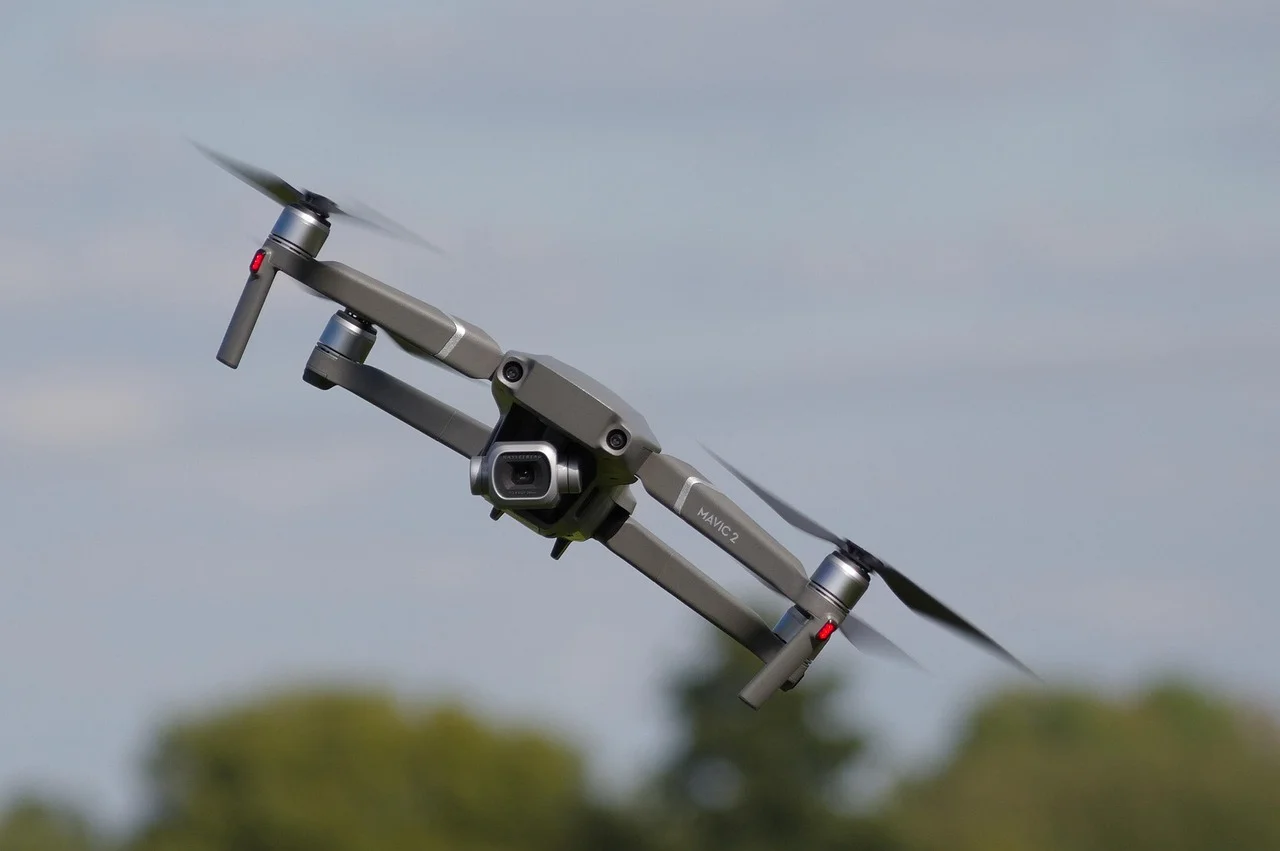
Drone Photography Basics: A Complete Beginner's Guide
Drone photography has revolutionized the way we capture images from above. Whether you're a complete beginner or looking to improve your aerial photography skills, this comprehensive guide will walk you through everything you need to know.
Getting Started with Drone Photography
Essential Equipment
Before you start taking photos with a drone, you'll need the right equipment:
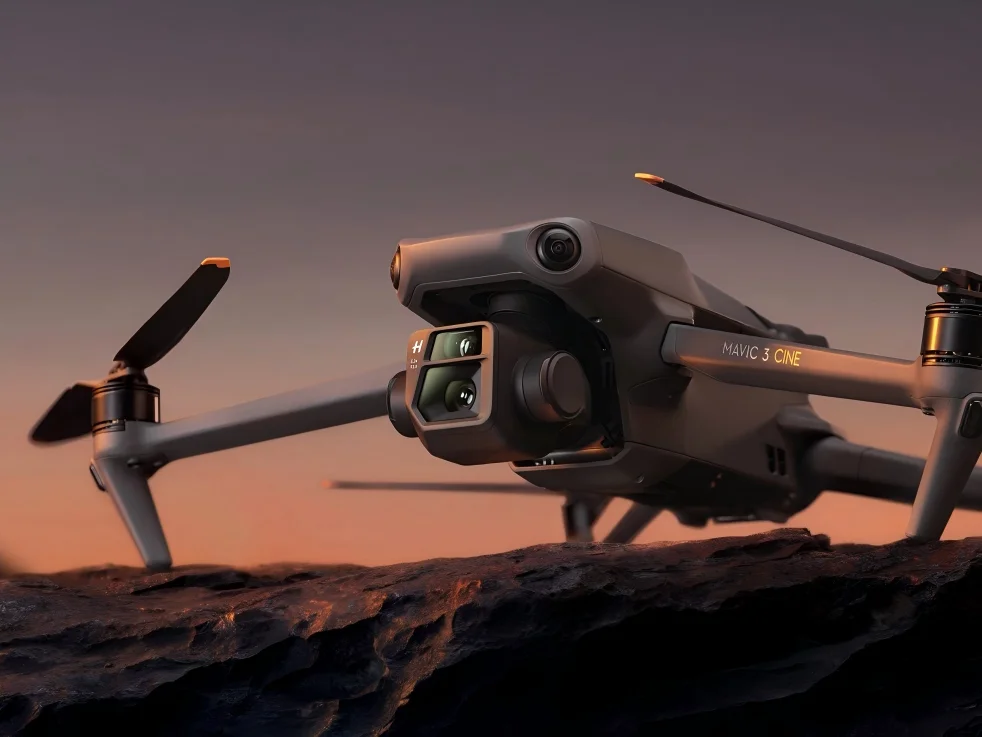
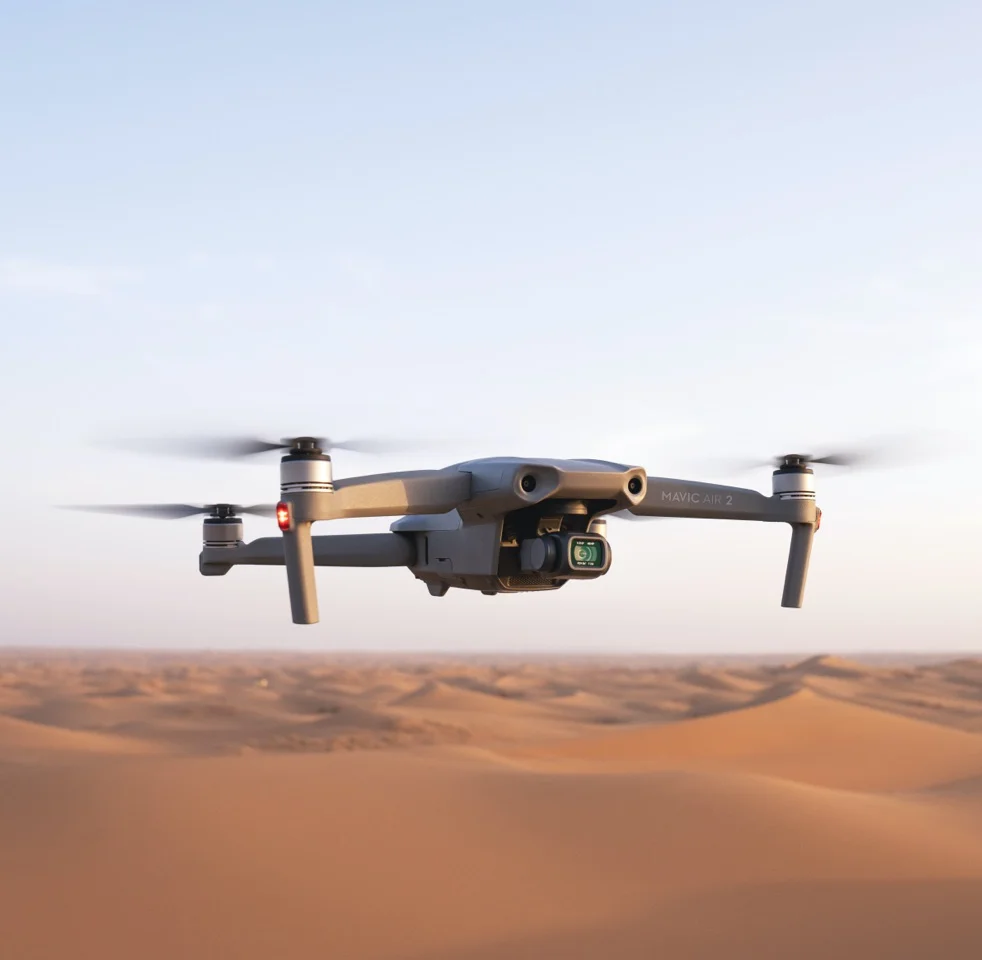
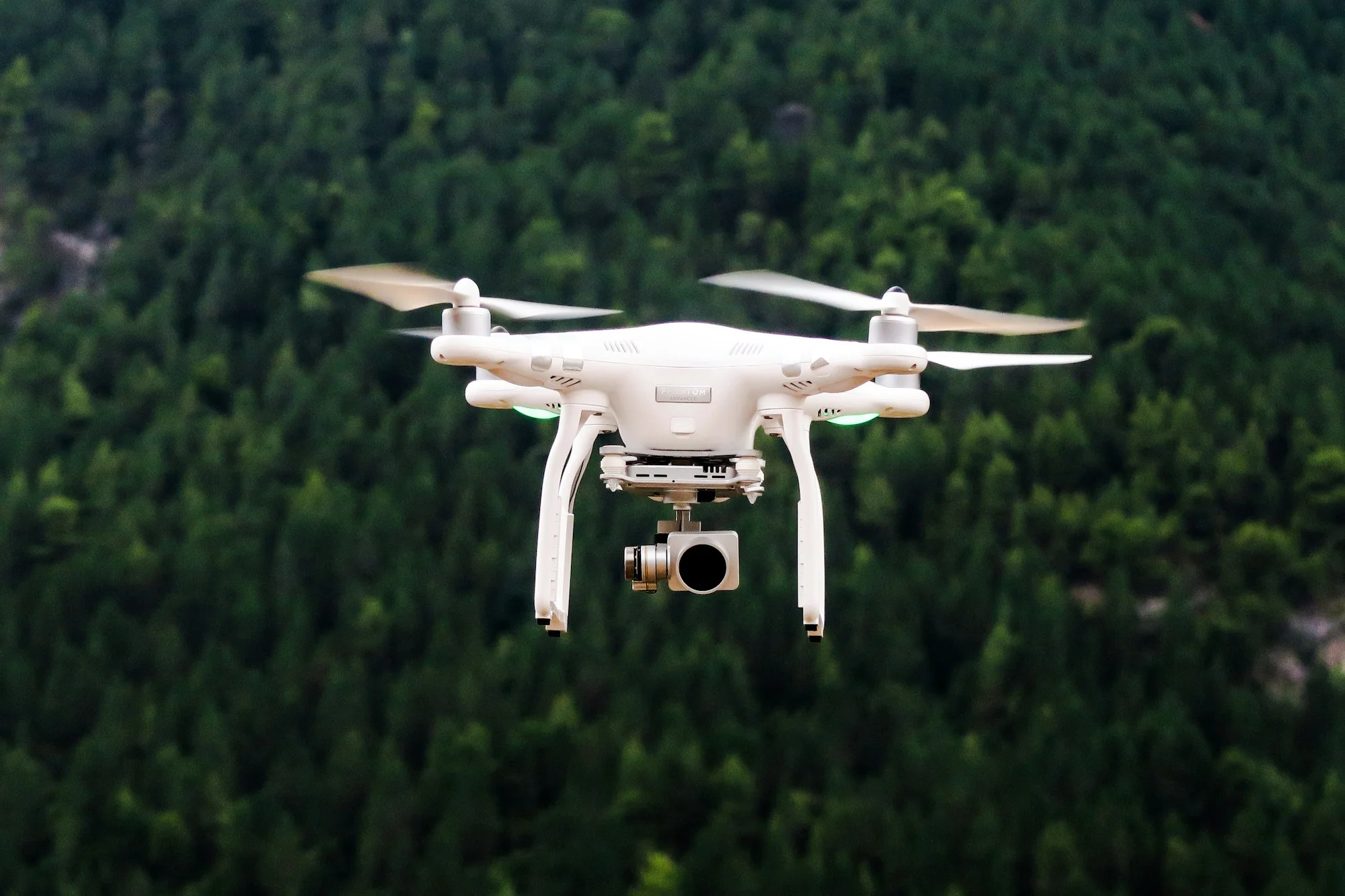
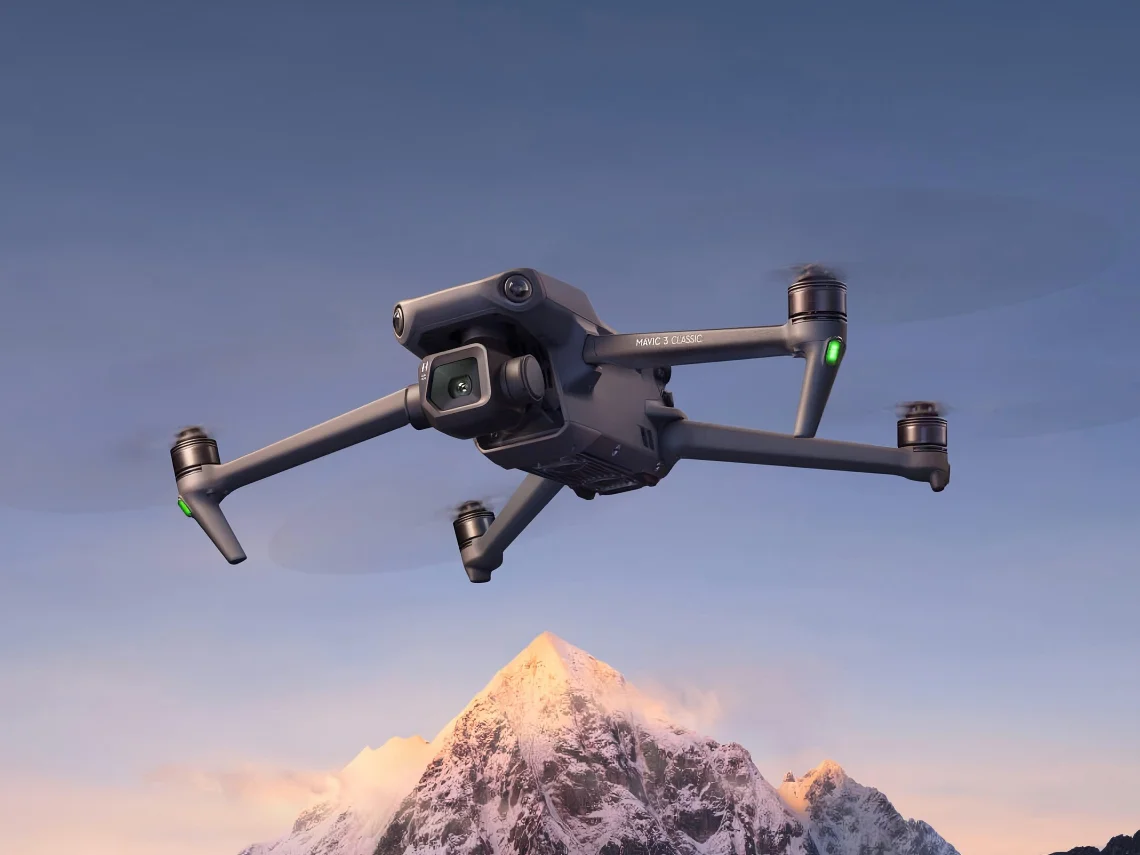
- Drone with Camera: Choose a drone with a quality camera and gimbal stabilization
- Extra Batteries: Always carry spare batteries for longer shooting sessions
- Memory Cards: High-speed, high-capacity SD cards for storing your photos
- ND Filters: Neutral density filters to control exposure in bright conditions
- Propeller Guards: Safety equipment for flying in tight spaces
Understanding Your Drone's Camera Settings
Most modern drones offer manual camera controls. Learn to use:
- ISO Settings: Keep ISO low (100-400) for best image quality
- Shutter Speed: Use faster speeds for action shots, slower for smooth motion blur
- Aperture: Fixed on most drones, but understand its impact on depth of field
- White Balance: Adjust for different lighting conditions
Photography Techniques
Composition Rules
Apply traditional photography composition rules to aerial shots:
- Rule of Thirds: Place your subject off-center for more dynamic compositions
- Leading Lines: Use roads, rivers, or coastlines to guide the viewer's eye
- Symmetry: Look for symmetrical patterns from above
- Patterns and Textures: Capture interesting patterns in landscapes
Best Times to Fly
- Golden Hour: The hour after sunrise and before sunset provides warm, soft light
- Blue Hour: The period before sunrise and after sunset offers dramatic blue tones
- Overcast Days: Soft, even lighting is perfect for detailed landscape shots
- Avoid Midday: Harsh shadows and overexposed highlights are common
Safety and Legal Considerations
Pre-Flight Checklist
- Check weather conditions and wind speeds
- Verify battery levels and propellers
- Ensure you're in a legal flying area
- Check for obstacles and people
- Review local drone regulations
Legal Requirements
- Register your drone if required by law
- Obtain necessary permits for commercial use
- Respect no-fly zones and restricted areas
- Maintain visual line of sight at all times
- Follow altitude restrictions
Post-Processing Tips
Basic Editing Workflow
- Import and Organize: Use software like Lightroom or Capture One
- Basic Adjustments: Exposure, contrast, highlights, and shadows
- Color Correction: Adjust white balance and saturation
- Sharpening: Apply appropriate sharpening for web or print
- Export: Save in appropriate formats and sizes
Recommended Software
- Adobe Lightroom: Industry standard for photo editing
- Adobe Photoshop: Advanced editing and compositing
- Capture One: Professional RAW processing
- Luminar: AI-powered editing tools
Common Mistakes to Avoid
- Flying Too High: Lower altitudes often produce more interesting compositions
- Ignoring Weather: Wind and weather can affect image quality and safety
- Poor Planning: Scout locations and plan your shots in advance
- Over-editing: Keep post-processing natural and tasteful
- Neglecting Safety: Always prioritize safety over getting the perfect shot
Conclusion
Drone photography opens up incredible creative possibilities, but it requires practice, patience, and respect for safety and regulations. Start with the basics, practice regularly, and gradually develop your own style and techniques.
Remember, the best drone photographer is a safe and responsible one. Happy flying!